

Britain’s development finance institution aims to mobilize £15 billion ($20 billion) of investment over the next five years, with a greater emphasis on private sector participation.
British International Investment (BII), which supports developing economies in reducing poverty and tackling climate change, plans to invest up to £8 billion of its capital directly.
This level remains broadly in line with the lower end of the target range set in its previous five-year plan.
However, the institution intends to significantly increase private capital raising.
For every pound invested by a UK government-owned entity, the BII aims to attract additional pounds from private investors such as insurers, pension funds and asset managers.
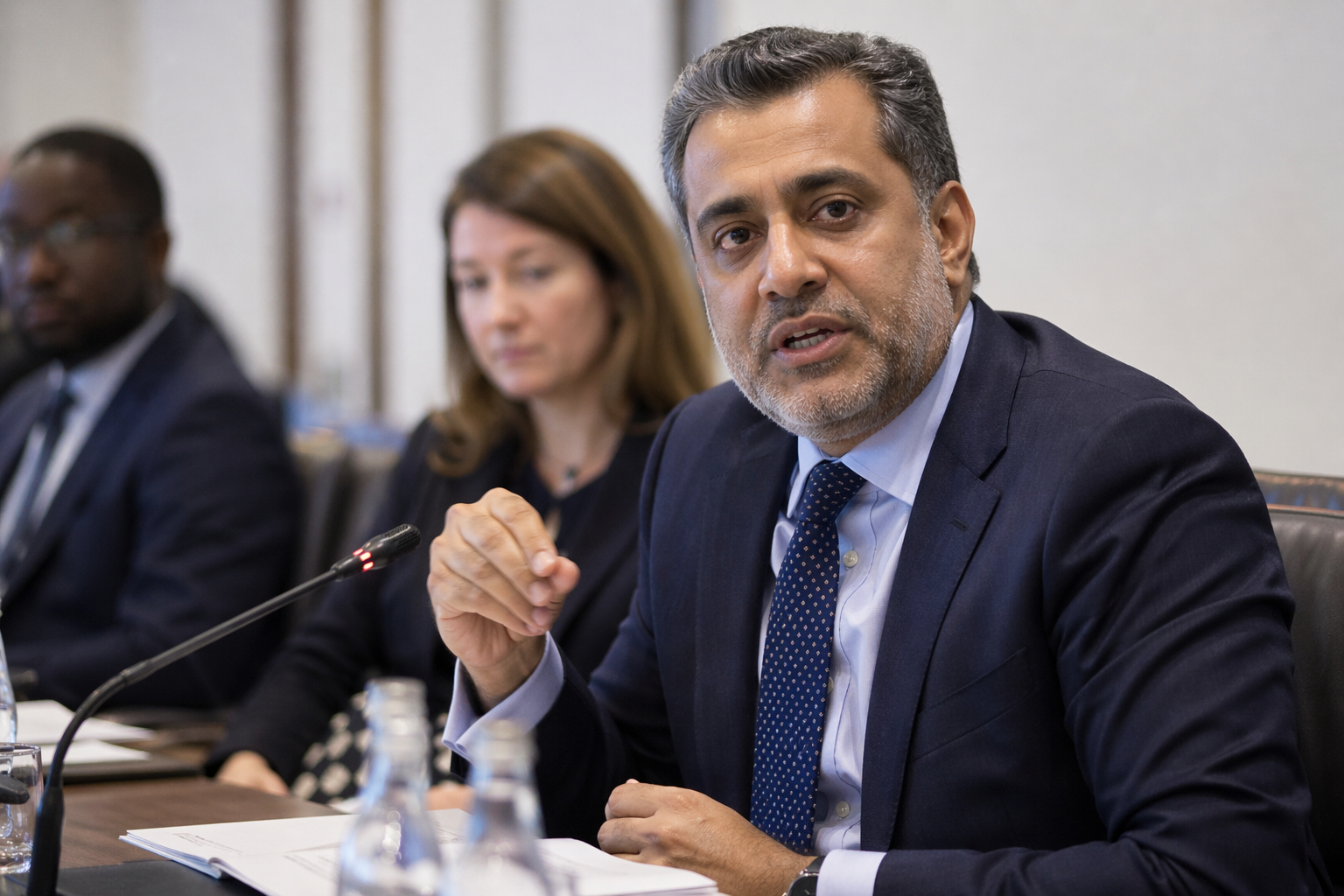
BII CEO Leslie Maasdorp said this represents an increase of about 40% compared to the previous period, Reuters reported.
Changes induced by decline in public funds
The push toward greater private sector involvement comes as development institutions face increasing pressure due to declining official aid budgets.
According to Reuters, rich countries, including Britain, have reduced foreign development assistance, partly to increase defense spending.
“Everyone in the G7 is facing less capital investment from governments because they need to spend more on defence. This has led to a shift in business models towards private capital injection,” Maasdorp said, Reuters reported.
He further stressed the change in strategy, saying, “Raising private capital was good in the past – now it is a must.”
Data released by the Organization for Economic Co-operation and Development earlier this month showed a record decline in foreign development assistance to poor countries from the world’s richest countries, including Britain.
New initiatives to support climate change
Along with its updated strategy, the BII announced a £1.1 billion initiative called British Climate Partners.
The program is designed to help countries like India and Vietnam reduce their dependence on coal.
Development finance institutions such as BII generally encourage private sector investment by taking a higher level of risk in projects.
This approach helps attract investors who might otherwise be hesitant to fund projects in emerging markets.
Focus on weak economies and key sectors
BII also plans to allocate at least 25% of its new investments to countries classified by the United Nations as least developed countries.
These include countries like Sudan, Uganda, Bangladesh and Cambodia, which are most vulnerable to climate-related risks.
The organization is also increasing its focus on climate-related projects.
The share of investment directed to climate initiatives is expected to increase to 40% over the next five years, from 30% in the previous period.
Similarly, investments aimed at supporting women are set to increase from 25% to 30%, reflecting a broader effort towards inclusive growth.
Expand beyond individual projects
In addition to project-level investments, BII plans to expand its strategy to support broader market and sector development.
This includes focusing on sectors such as financial services, power, trade and digital infrastructure.
This shift highlights a growing emphasis on building sustainable ecosystems rather than supporting individual companies, as development finance institutions adapt to changing global funding dynamics.
Overall, the BII’s updated strategy outlines a significant shift towards leveraging private capital on a larger scale, as traditional public funding sources continue to decline.
