

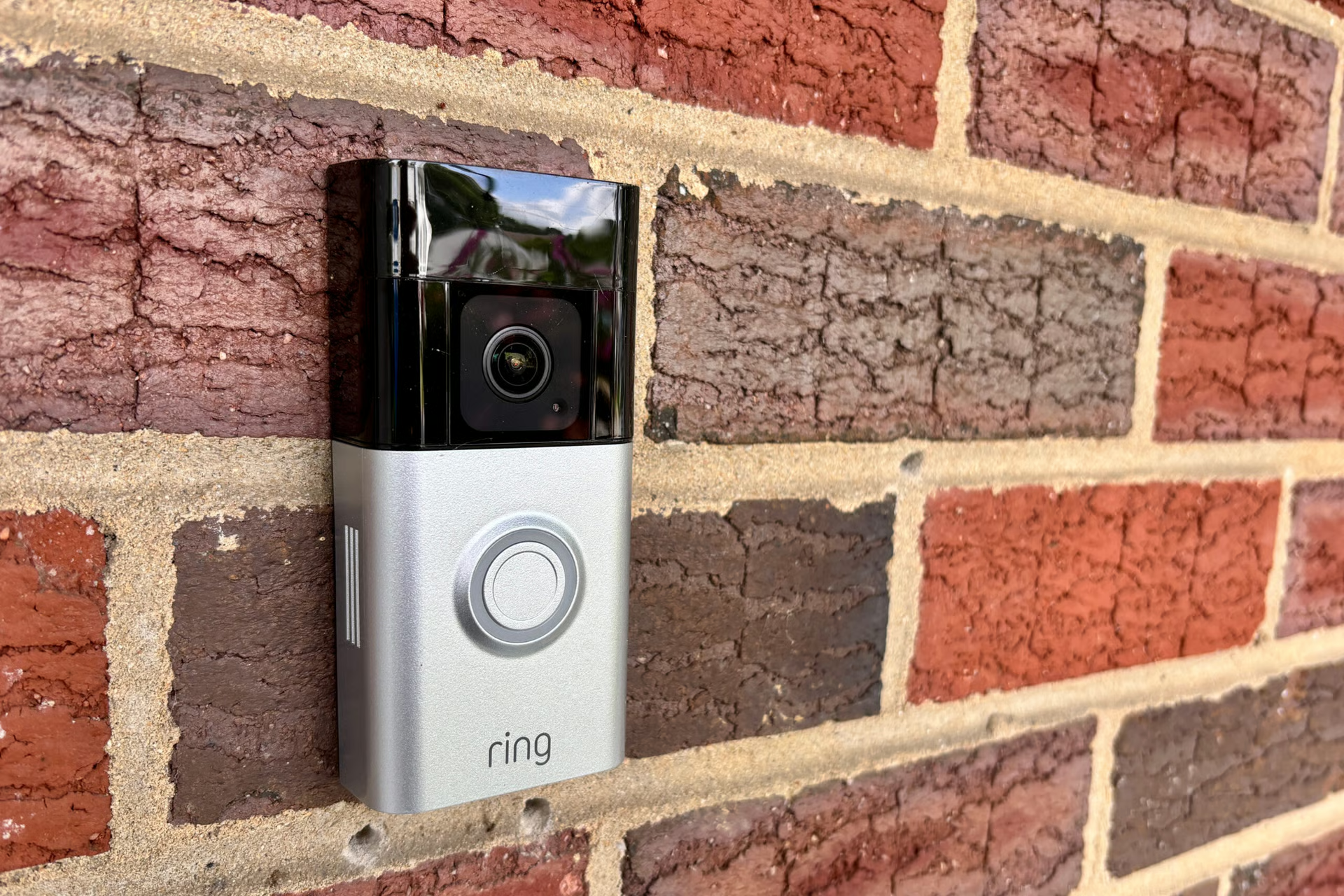
Amazon is facing a class-action lawsuit alleging that its Ring doorbell cameras illegally collected facial data from people without their consent.
The complaint, filed June 1 in federal court in Washington state, alleges that Ring’s “Familiar Faces” feature uses facial recognition technology to scan, store and classify visitors, including passersby, raising concerns about biometric privacy and transparency.
Ring introduced the feature in the United States in December 2025, allowing users to receive personalized alerts that identify people at their door. But the lawsuit argues that the technology scans any person captured on camera, not just known visitors, converting faces into unique biometric identifiers or “faceprints” for up to six months.
The complaint says those identifiers, along with data stored in Amazon’s cloud systems, can be used to identify people when they resurface.
What is alleged in the complaint?
The lawsuit says facial data from people was collected without notice or consent when they visited homes or businesses equipped with Ring cameras.
It also argues that the technology scans and analyzes faces before determining whether a person is an “acquaintance”, meaning strangers, delivery workers and passers-by could be recorded and classified.
The complaint points to the facility’s limitations in Illinois; The company is aware of potential legal concerns, as evidenced by Portland, Oregon and Texas where strict biometric privacy laws apply.
“The defendants’ conduct here represents a deep privacy failure for the millions of people who are now being tracked by Amazon,” the complaint says.
Legal and privacy concerns
The lawsuit accuses Amazon of violating the Federal Trade Commission Act, which prohibits deceptive and unfair trade practices.
While collecting biometric data is not illegal in itself, the complaint argues that it becomes a legal issue when companies fail to clearly disclose how the data is collected or used.
The filing raises concerns about facial recognition technology more broadly, including claims that it could misidentify people, particularly people of color and women.
What does Amazon say?
Amazon declined to comment on the lawsuit, citing pending litigation, when contacted by USA TODAY.
The plaintiffs are seeking damages in excess of $5 million.
USA TODAY Network via Reuters Connect
