

Student loan debt can seem overwhelming, and many borrowers are eager to get relief. Scammers rely on this immediacy.
As talks continue about loan waivers, fraudsters are promising to reduce or eliminate loans. These offers may come via phone call, email, text, or even social media messages. Although they may seem trustworthy, many are designed to take your money or steal your personal information.
How does the scam work?
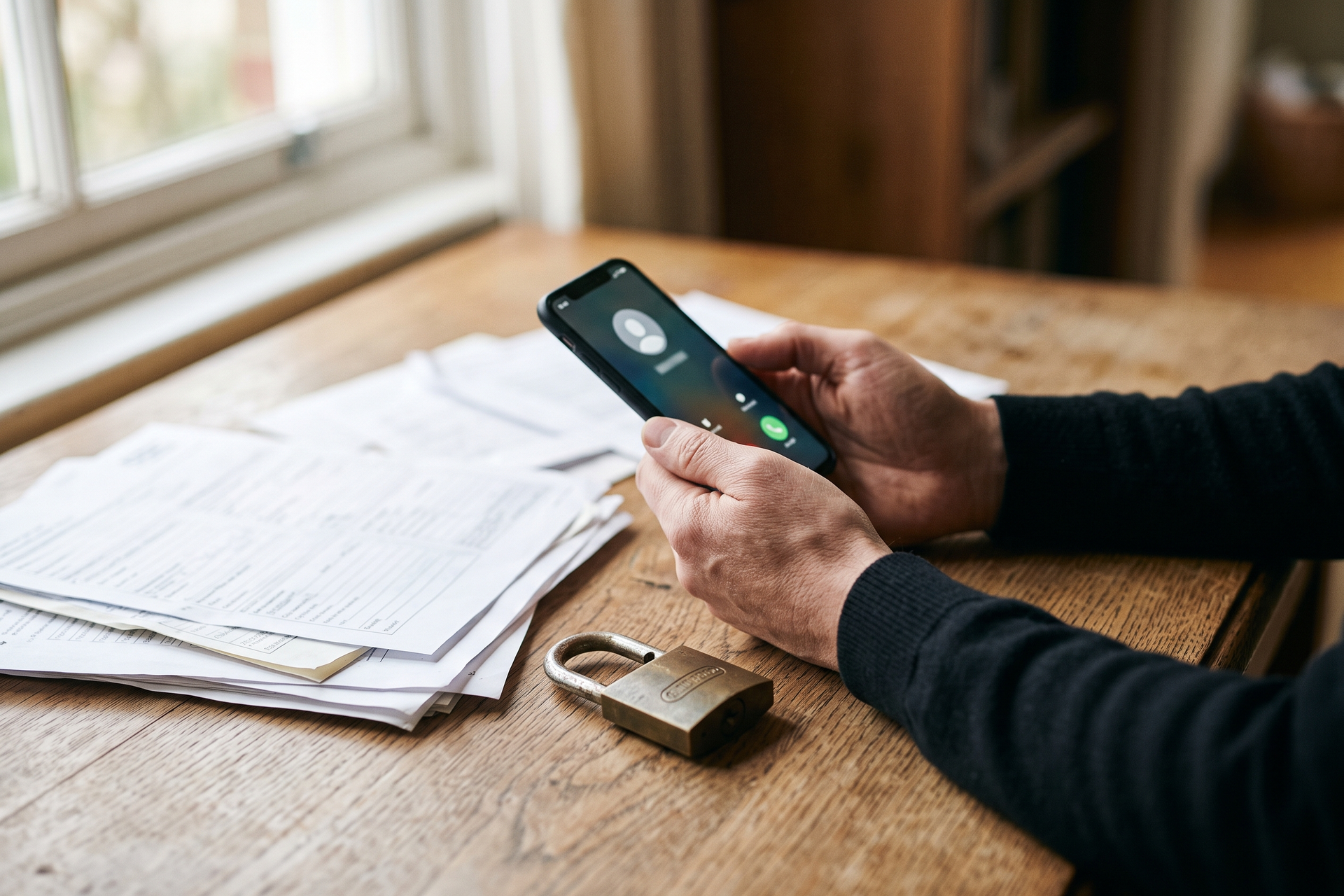
Student loan forgiveness scams often start with an unsolicited message. A person may claim to represent a government agency or company that provides special access to debt relief programs.
They may promise fast approval, lower monthly payments, or complete loan forgiveness. In many cases, they ask for an upfront fee or request sensitive information like your account details or login credentials.
In fact, these services are often unnecessary or outright fraudulent. Many of the programs they promote are free and available directly through official government websites. If you pay fees or share your information, you could lose money and put your identity at risk.
Keep an eye out for common red flags
Scammers often use similar tactics to gain trust and create urgency. Be careful if you notice:
• Request for advance fee to apply for loan waiver
• Guaranteed approval or promise of immediate results
• Messages claiming to be from the government asking for personal information
• Pressure to act quickly or risk missing an opportunity.
These warning signs are strong indicators that something is not right. Remember, you should never pay for access to federal student loan relief programs.
Go straight to trusted sources
If you’re looking for repayment options or forgiveness programs, head straight to the official websites. The U.S. Department of Education provides accurate, up-to-date information and resources. Creating and maintaining your account on studentAid.gov allows you to track your loans and receive official updates.
Keep your personal information secure
Your student loan account contains sensitive information that must be kept secure. Never share your FSA ID, password or financial details with anyone who contacts you unexpectedly.
Government agencies and loan servicers will not ask for this information through unsolicited calls, emails, or texts. Treat your login credentials like a bank password. Keeping them private helps prevent unauthorized access.
Beware of ‘Help’ Companies
Some companies claim they can handle your student loan processing for a fee. Although they may present themselves as helpful, they often charge for services that you can complete yourself for free.
These companies may also make promises they can’t keep, leaving you with the same debt and less money. Taking the time to understand your options and working directly with your loan servicer is often the safest approach.
Report Suspicious Activity
If you think you have been contacted by a scammer, report it. Reporting scams can help protect others and prevent fraudulent activity. Report it at BBB.org/ScamTracker.
You can also report suspicious messages or companies to the Federal Trade Commission at reportfraud.ftc.gov. Keeping a record of the conversation can also be helpful if further action is needed.
Take a careful approach to debt relief
Student loan forgiveness programs can provide real help, but they require careful navigation. Taking the time to research, verify information, and protect your data can help you avoid unnecessary risk. If an offer sounds too good to be true, it’s worth a closer look. A few extra minutes of caution can save you from financial loss and disappointment.
Visit BBB.org for more information. BBB’s business directory features profiles with verified reviews and complaint histories to help you find trustworthy businesses. You can also file a complaint or submit a customer review. Visit the BBB Scam Tracker to research or report scams.
Visit BBB.org/AvoidScams to learn more about how to avoid common scams. If you or someone you love has experienced a scam, whether you lost money or not, report it at BBB.org/ScamTracker.
Jan Diaz is the President/CEO of the Better Business Bureau serving Northern Indiana, serving 23 counties. Contact the BBB at 800-552-4631 or visit BBB.org.