

Commitment to our readers
The GOBankingRates editorial team is committed to providing you with unbiased reviews and information. We use data-driven methods to evaluate financial products and services – our reviews and ratings are not influenced by advertisers. You can read more about our editorial guidelines and our review methodology for products and services.

20 years
help you get rich


trusted by
millions of readers
Social media has made some destinations mandatory bucket lists, but the reality doesn’t always match the Instagram feed.
These seven places get more publicity than they deserve, while equally surprising options are empty and affordable just down the street.
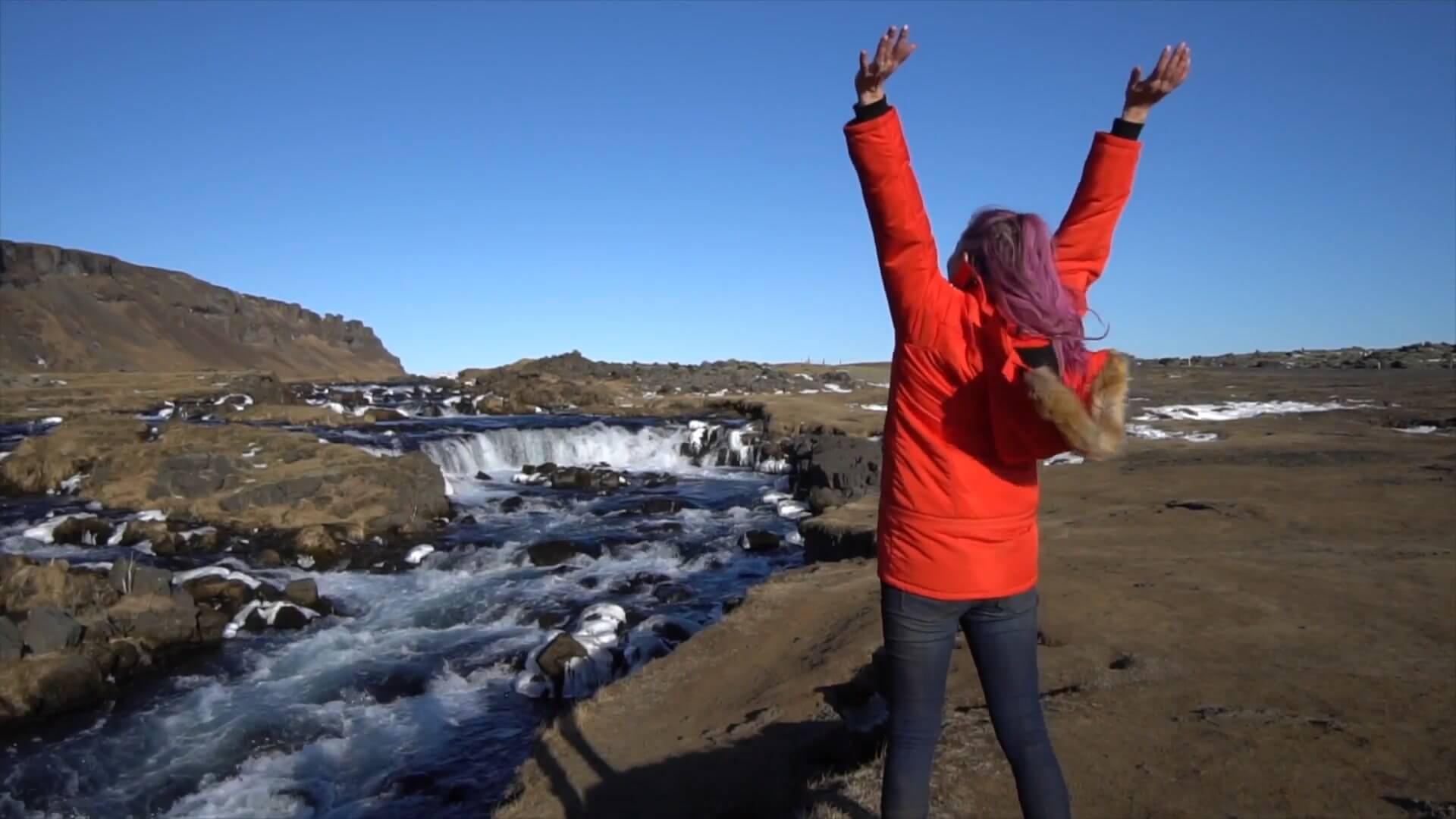
Instead of Iceland, visit the Faroe Islands
Despite high costs and the closure of budget airlines like Play, Iceland welcomed 1.8 million tourists from January to September 2025. The country is facing a housing shortage due to tourism, with Airbnb conversions and increased rents leaving locals paying the price.
Iceland expects even more visitors in 2026, with the government proposing higher tourist taxes to manage the environmental impact. Hotels cost more than $200 per night, meals at restaurants cost $50 to $70, and rental cars cost around $100 per day.
The Faroe Islands offer Iceland’s dramatic cliffs, waterfalls and moody weather with a fraction of the crowds. Located between Scotland and Iceland, the 18-island archipelago has only 50,000 residents and very few tourists.
Round-trip flights from Copenhagen cost around $300 and from Reykjavik around $200. Ferry service from Denmark starts at $120 one-way. Car rentals are around $80 to $90 per day, but accommodation costs are lower than in Iceland. Hostels start at less than $30 per night in the off-season, and subsidized boats between islands cost less than $3.
The Faroe Islands charge hiking fees to preserve the trails, but ferries and public buses remain affordable due to government subsidies. You won’t find Iceland’s vast tour infrastructure, which means less crowds at scenic sites and more authentic interactions with locals.
Instead of Tulum, visit Bacalar
Hotel occupancy in Tulum, Mexico fell to 49.2% in September 2025 from 66.7% a year earlier, while Cancún and Bacalar remained above 65%. The problem is not lack of interest but uncontrolled overdevelopment.
Tulum transformed from backpacker paradise to luxury destination in the last decade. Exclusive beach clubs charge upwards of $20 for day access to beaches that used to be free. Boutique hotels cost $300 to $500 per night. The city struggles with traffic, limited public beach access, and environmental degradation.
Bacalar is located 100 miles south of Tulum on the Lagoon of the Seven Colors, a freshwater lake with crystal-clear water and seven shades of blue and green. This small town offers the same relaxed atmosphere that Tulum had 15 years ago, without the crowds or inflated prices.
You can get to Bacalar from Tulum on the Train Maya or take the three-hour ADO bus for $7 to $50, depending on class. The city remains walkable, taxis are cheap and food costs significantly less than in Tulum.
Hotels and guesthouses start around $40 to $50 per night, compared to Tulum’s more than $200. Restaurants serve meals for $10 to $15 instead of Tulum’s $30 to $50 plates. Bacalar is all about sustainable tourism with no big hotels or all-inclusive resorts.
Go to Zanzibar or Palawan instead of Maldives
Maldives sells overwater bungalows and crystal water at ridiculous prices. All-inclusive resorts run from $333 to $2,000 per night. Each resort remains on its own island, leaving you with limited dining options and activities. Getting there requires expensive flights and seaplane transfers.
The country is facing serious environmental threats due to rising seas. Coral bleaching damaged many reefs. Despite the natural beauty, the experiences feel sterile and artificial.
Zanzibar has Indian Ocean beaches, Arabic architecture, spice plantations and the UNESCO-listed Old Town of Stone Town at manageable prices. The island is located off the coast of Tanzania, with regular flights from Dar es Salaam.
The beaches on the northern and eastern coasts rival the beauty of the Maldives with white sand and turquoise waters. Hotels range from $50 budget guesthouses to $200 to $300 boutique resorts.
Palawan in the Philippines offers another option with the limestone cliffs of El Nido, shipwreck diving of Coron and endless island-hopping opportunities. Hotels range from $45 to $83 per night. The people remain welcoming and the island feels adventurous rather than packed.
Instead of Machu Picchu, visit Cuelap or Choquequirao
Machu Picchu requires advance permits, costs $50 to $70 to enter, and suffers from Disney-level crowds despite visitor limits. The city of Aguas Calientes exists almost entirely to extort money from tourists with inflated hotel and restaurant prices. Altitude sickness affects many visitors who fly directly to Cuzco.
The ruins remain spectacular, but you’ll be taking the same photos and sharing them with thousands of other people. The experience feels rushed and commercialized.
Cuellap in northern Peru offers equally impressive pre-Inca ruins without the tourist infrastructure or crowds. The Chachapoyas culture built this fortified city around 900 AD on a mountain range at an altitude of approximately 10,500 feet.
The site features massive stone walls, circular buildings and statues of llamas. Cable cars now provide access, but visitor numbers remain low. You can explore without feeling like you’re stuck in time limits, crowded or driving cattle through checkpoints. The surrounding cloud forest area offers waterfalls, hiking and traditional villages.
Choquequirao requires more commitment as the “other Machu Picchu”. The ruins are located across the valley from Machu Picchu, but receive only a few thousand tourists annually compared to the millions who visit Machu Picchu. The trek takes at least two days, making it less crowded. The site covers an area larger than Machu Picchu, with extensive terraces and structures still being excavated.
No permits required, no time limits, no crowds. Just you and the Inca ruins in their natural setting.
