

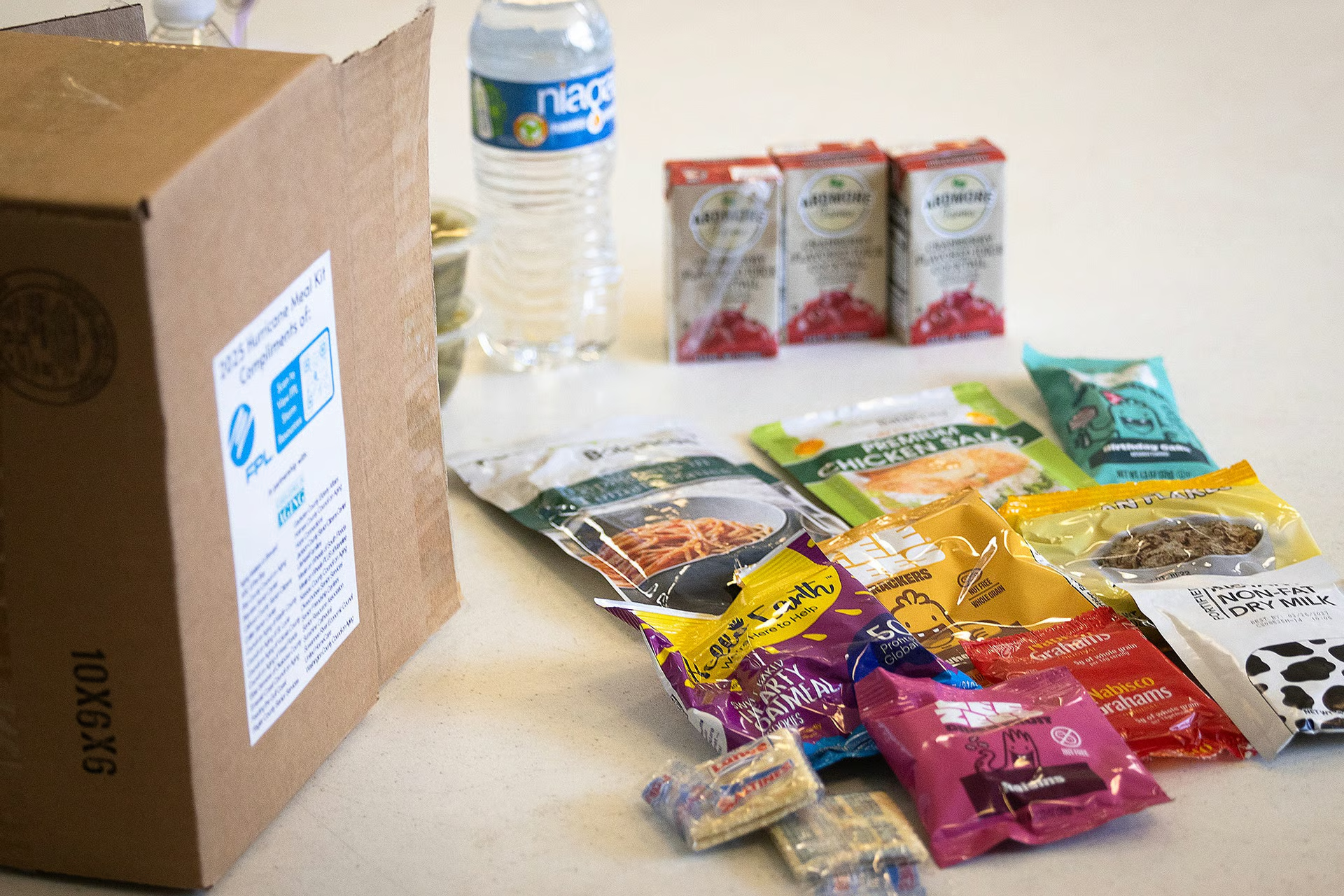
When you are surrounded by a crisis, every minute counts – which is why having a bag of pre-packed essential items can be so important to ensure your family’s safety. Whether it’s severe weather, power outages or regional unrest due to a major conflict, emergencies can strike when you least expect it; But having a ready go-bag can help you tackle any crisis with a little more confidence and support.
Hurricane season officially begins on June 1 and runs through November 30. While peak activity typically falls in late summer and early autumn, emergency officials encourage residents to prepare before a storm begins, when it is easier to manage supplies, evacuation planning, and communications plans without the pressure of an active threat.
Here’s where to take action and stock up before the first big storm of the season hits.
How to Prepare for Hurricane Season
Preparing for hurricane season takes more than supplies – it means planning in advance for your home, your family, and what you’ll do before, during, and after a storm.
- Make sure your insurance coverage is up to date and truly reflects the value of your current home and contents. After a storm is no time to look for holes in coverage.
- Document your home and property now. Take recent photos and video of each room, including closets, garages and storage areas. Do the same for the exterior of your home, vehicles, and large valuables. Store copies in the cloud and on secure drives.
- Clean up your yard. Prune trees, remove dead branches, secure outdoor furniture, grills and anything that could blow over in high winds.
- Set weather alerts through multiple channels. Use phone alerts, NOAA Weather Radio, and at least one additional app or local news alert system so you’re not dependent on any one source.
- Make a family emergency plan. Decide where you will go, how you will communicate if separated and what route you will take if evacuation is required. Make sure everyone in the house understands this, not just one person.
- Carry cash in small bills, as card systems and ATMs may fail during power cuts. Keep it in a waterproof, fire-resistant container or safe along with essential documents like ID, insurance papers, medical records and property deeds.
- Strengthen your home where possible. Know your weak points ahead of time, such as garage doors, old windows or roof edges. If you have shutters, make sure they are installed and sturdy. If not, keep the plywood pre-cut.
- Know your evacuation zone and routes in advance. Don’t wait for an alert to know where you’re going or how you’ll get there. Have at least one backup route in case roads are blocked.
- Practice your plan. How long does it take to gather your bags and family – including pets – to secure your home and leave. Dry runs make it easier to move forward quickly and reduce confusion when conditions are real and time-sensitive.
- Prepare for what happens after the storm. Make a plan to return home safely and create a checklist after the disaster so you know what to look for and what steps to take once the situation has stabilized.
Making an Emergency Plan with Children
Children need a simple, practical plan and some key safety tools so they know what to do and how to reconnect with you during an emergency.
- Designate a “safe meeting spot” both indoors and outdoors, and keep it simple – like a specific tree, mailbox, or a neighbor’s house. Children should be able to repeat it again without prompting.
- Pack a child-specific section of the go-bag with comfort items, basic hygiene supplies, snacks they’ll actually eat, and any medications with clear dosage instructions.
- Consider children’s identification, such as ID bracelets, tags, or cards with waterproof sleeves that include a parent or guardian’s phone number and key medical information. This can help first responders or trusted adults quickly reunite families if you get separated.
- If children are at school or daycare, confirm emergency pickup procedures and who is authorized to collect them. Make sure the school has updated contact information and backup contacts on file.
What to pack: Emergency go-bag essentials
A go-bag – or “grab-and-go bag” – is exactly what it sounds like: a designated pack filled with enough emergency essentials to sustain you and your family in the event of disaster or displacement. The US State Department recommends preparing a kit with at least a 72-hour supply. Main items include:
- 3 day supply of non-perishable food and water per person
- first aid kit
- Batteries and flashlight
- Personal documents (driver’s license, passport, birth certificate)
- sanitary supplies
- medicines
- spare clothes
Beyond the basics, consider adding a charger and power bank, a portable power station, a water filter and water tablets, disinfectant wipes, a reusable water bottle, a hand-crank or battery-powered radio for communications, and pet supplies if you have animals.
Brandi D. Addison covers weather across the United States as a Weather Connect reporter for the USA TODAY Network.