

An outbreak of Legionnaires’ disease has been reported in Manhattan, leading to the number of cases – currently 18 – expected to rise. Here’s what you need to know about Legionnaires’ disease and the current outbreak.
What is Legionnaires’ disease?
The city health department said Legionnaires’ disease is a type of pneumonia caused by the growth of bacteria in hot water.
How is Legionnaires’ disease spread?
People are at risk of getting Legionnaires’ disease if they breathe water vapor contaminated with bacteria.
The health department says you can’t get it from drinking water, cooking or using AC units.
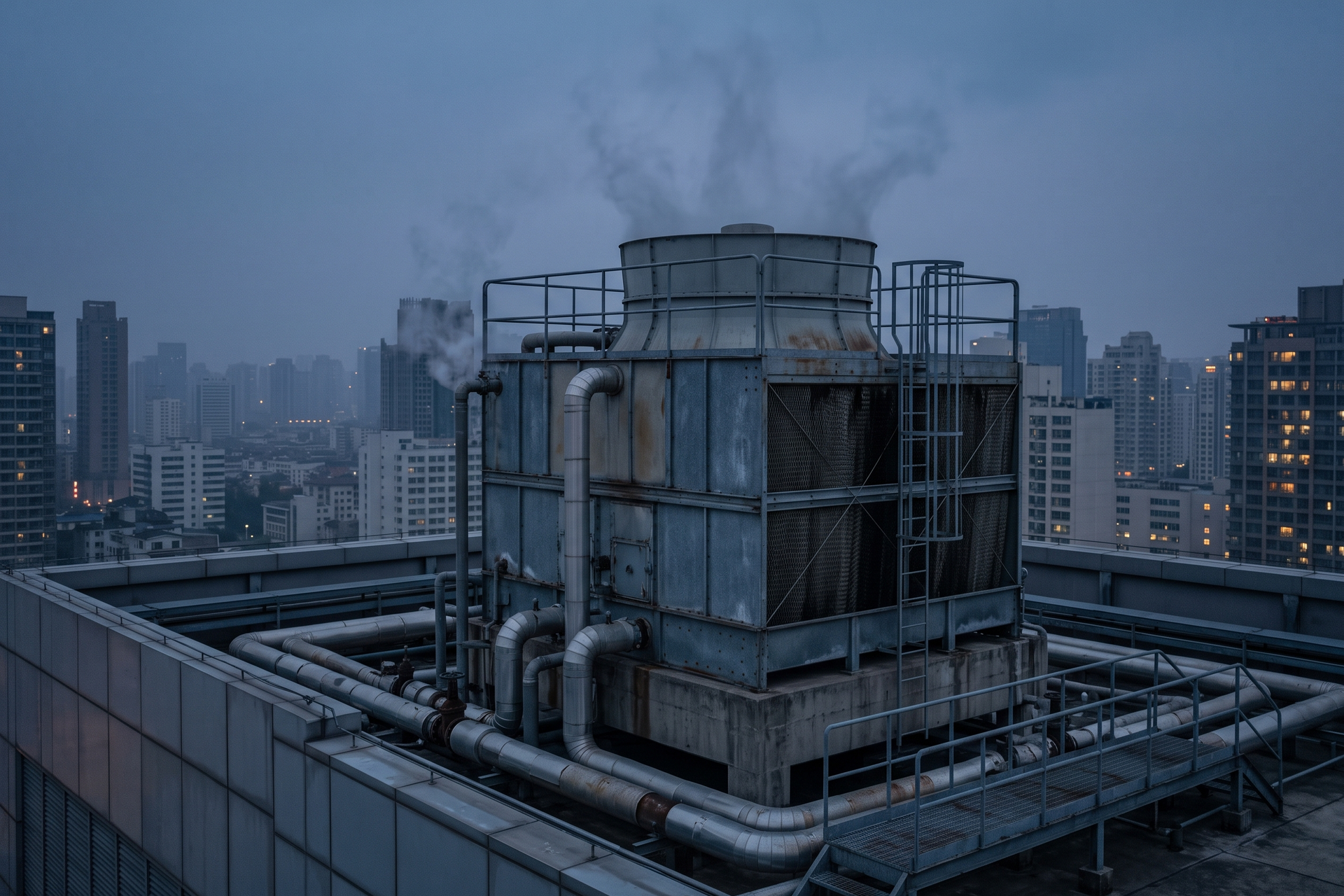
NYC Health writes on its website that if multiple people in a neighborhood become infected, a typical source would be a cooling tower, hot tub or spray fountain.
Mark Levin, the city’s controller, said this current cluster of cases originated from a contaminated cooling tower, not the water system.
“All cooling towers in the area are being sampled and tested at the NYC Public Health Lab,” he wrote on Sunday night. “Unfortunately it takes several weeks for cultures to grow.”
Legionnaires’ disease outbreak in the Upper East Side
The city health department says it is investigating a community cluster in Carnegie Hill and Yorkville, two neighborhoods on the Upper East Side.
Zip codes reported affected include 10028, 10128 and 10075.
“This is not an issue related to any building’s plumbing system,” the department said on its website. “Residents in these ZIP codes can continue to drink tap water, shower, bathe, cook, and use their air conditioners at home.”
“If you live or work in this area, or have visited here since the end of June, monitor for flu-like symptoms and contact a healthcare provider as soon as possible if symptoms occur,” Levin wrote on Twitter.
What are the symptoms of Legionnaires’ disease?
The Mayo Clinic says symptoms may occur about two to 10 days after exposure to the bacteria. According to the Mayo Clinic, Legionnaires’ disease may manifest with the following symptoms:
- headache and muscle pain
- Fever
- cough and difficulty breathing
- chest pain
- nausea
- Confusion
Reporting by Amethyst Martinez, USA TODAY Network/USA TODAY. USA TODAY Network via Reuters Connect.