

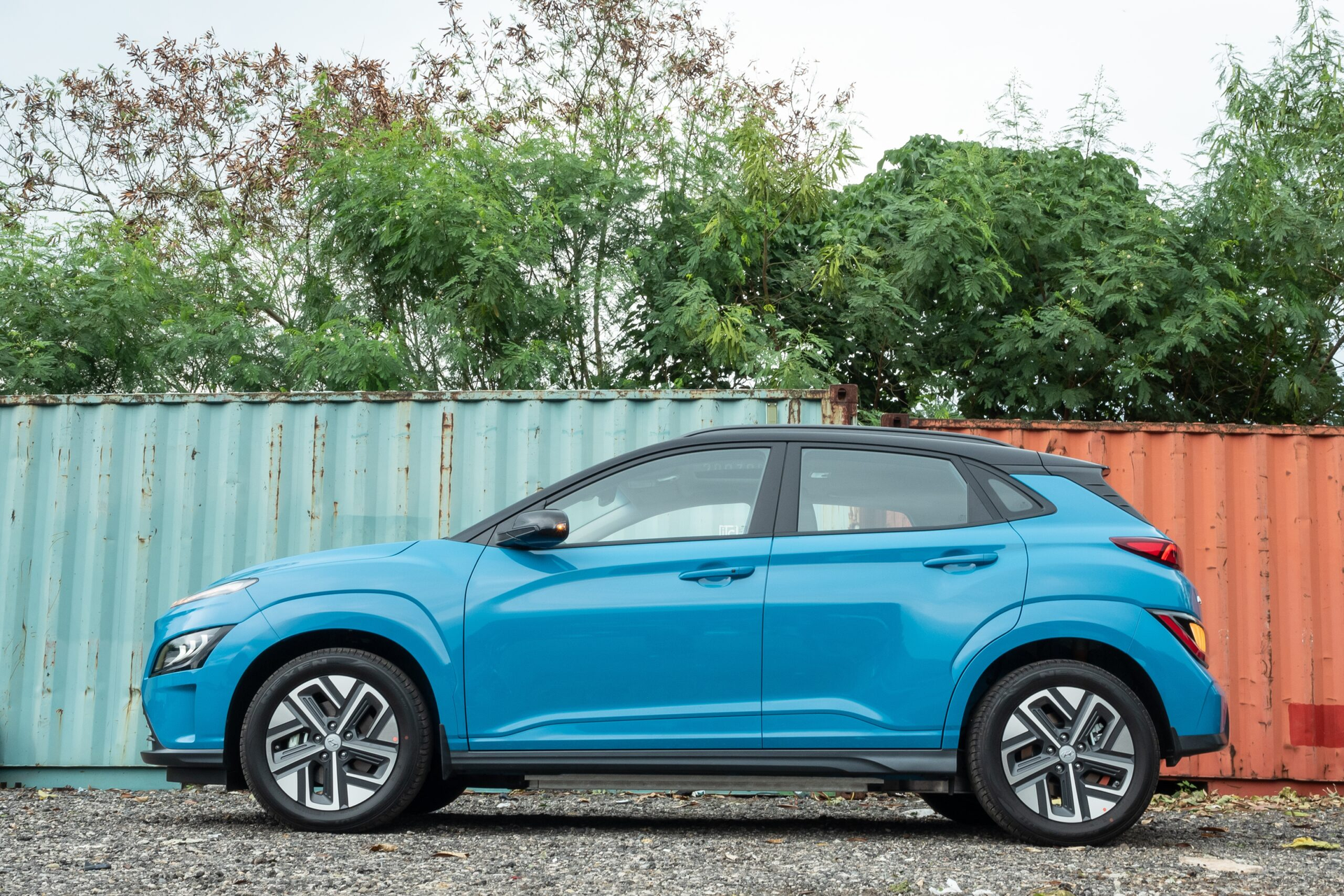
With new electric vehicle prices averaging nearly $55,000 and the federal government no longer offering $7,500 in tax credits for plug-in vehicles, at least two major automakers are confirming plans to participate in California’s new $3,500 instant rebate program for new EV buyers in the state.
Hyundai, a multinational manufacturer headquartered in Seoul, South Korea, but operates its US headquarters in Fountain Valley, California. confirmed to USA TODAY on Wednesday, July 15 that it plans to participate in California’s EV tax rebate program.
Earlier this week, Irvine, California-based company Rivian confirmed this to USA TODAY.
California leaders have said their new first-time EV buyer rebate program, dubbed “MyFirstEV,” will be a game-changer for car buyers in the state that has the nation’s largest electric vehicle market share.
California Governor Gavin Newsom, a Democrat, said in a statement, “With our new instant rebate program for electric vehicles, we are making it easier for families to drive cleaner, breathe cleaner and keep more money in their pockets.” “As California leads the world toward a cleaner future, our message is clear: No one can stop Californians from choosing vehicles that are better for their wallet and better for the air they breathe.”
California’s new EV rebates come from $135 million of state money that was included in the recently announced budget deal struck between Newsom and leaders of the state’s legislative branch. California officials said additional money for the EV rebate program will come from automaker-funded grants.
This means the rebate will only apply to EV models that come from automakers that join the program.
Lindsay Buckley, spokeswoman for the California Air Resources Board, which is administering the $3,500 EV rebate program, said in an email that the agency expects to be able to announce the full list of automakers participating in the program next month.
Why is California moving to offer EV tax breaks?
California’s plan comes nearly two years after President Donald Trump’s 2024 election victory, when Newsom promised to take steps to offer electric vehicle tax credits to consumers if Trump followed through on campaign promises to eliminate the popular $7,500 federal credit. Trump pushed legislation through Congress that would have phased out the federal tax credit on September 30, 2025.
California has the largest percentage of car buyers who opt for electric cars.
According to the Alliance for Automotive Innovation, which lobbies in Washington, D.C., for most major automakers, EV and hybrid cars accounted for 17.5% of new light-duty vehicle registrations in California in the first quarter of 2026, the most recent data made publicly available by the group. California was the only state above 20% market share in 2025.
Car makers have lamented the loss of federal incentives for EVs, and many have scaled back plans to build future electric models in the wake of changes in federal government support for the technology.
California Air Resources Board Chairwoman Lauren Sanchez said in an exclusive interview with USA TODAY in January that her state is moving to exempt at least some portion of the country’s EV buyers as “the rest of the global market moves toward zero emissions vehicles,” despite declining levels of federal support under Trump.
EV proponents have praised California for taking steps to fill at least part of the breach.
“It’s great to see what started as a simple ‘what if we tried…’ conversation with Governor Newsom become such a big step forward for EVs a year later,” Mike Murphy, CEO of the American EV Jobs Alliance, an advocacy group that works with carmakers to push U.S. and state lawmakers to adopt EV-friendly policies, said in a July 13 post.
Who qualifies for California’s EV rebate?
California’s EV rebate will be limited to state residents who have never purchased an electric car before. It is expected that the discounts will start becoming available to car buyers by the end of the summer.
The rebate will be available to car buyers at all income levels, but according to the legislation authorizing the rebate signed by Newsom, the new EV must cost less than $50,000. According to the law, the price limit for a used EV will be $25,000.
However, there’s one big problem: California law says there will be no price limit on rebates given for cars made by “California-headquartered zero-emission vehicle companies,” which is a huge boon for EV makers like Rivian and Lucid. Tesla, the largest American electric vehicle maker, got its start in California, but the company has moved its headquarters to Austin, Texas in recent years.
Hyundai buyers will be limited to the price range.
How much are used EVs worth?
Under the California budget agreement, rebates for used EVs will also be available, but those buyers will only get $1,750.
Under the old federal tax credit, used EVs were eligible for up to $4,000 in tax credits. The EV tax credit, first used in 2022, was added by former President Joe Biden’s administration. Earlier, only new EVs were eligible for any tax credits.
Can you buy an EV from out of state in California and get the rebate?
California’s previous EV rebates were limited to state residents, and the latest round of rebates will also be limited to people living in the state.
EV buyers in other states may take solace from the fact that many states have often replicated California’s auto emissions rules, and some may decide to copy the state’s plans to offer rebates to buyers. According to the California Air Resources Board, 17 states have adopted at least some portion of California’s clean car rules in recent years.
This article originally appeared on USA TODAY: Hyundai buyers can save $3,500 on new EV in California. here’s why. Reporting by Keith Lang, USA TODAY/USA TODAY. USA TODAY Network via Reuters Connect.