

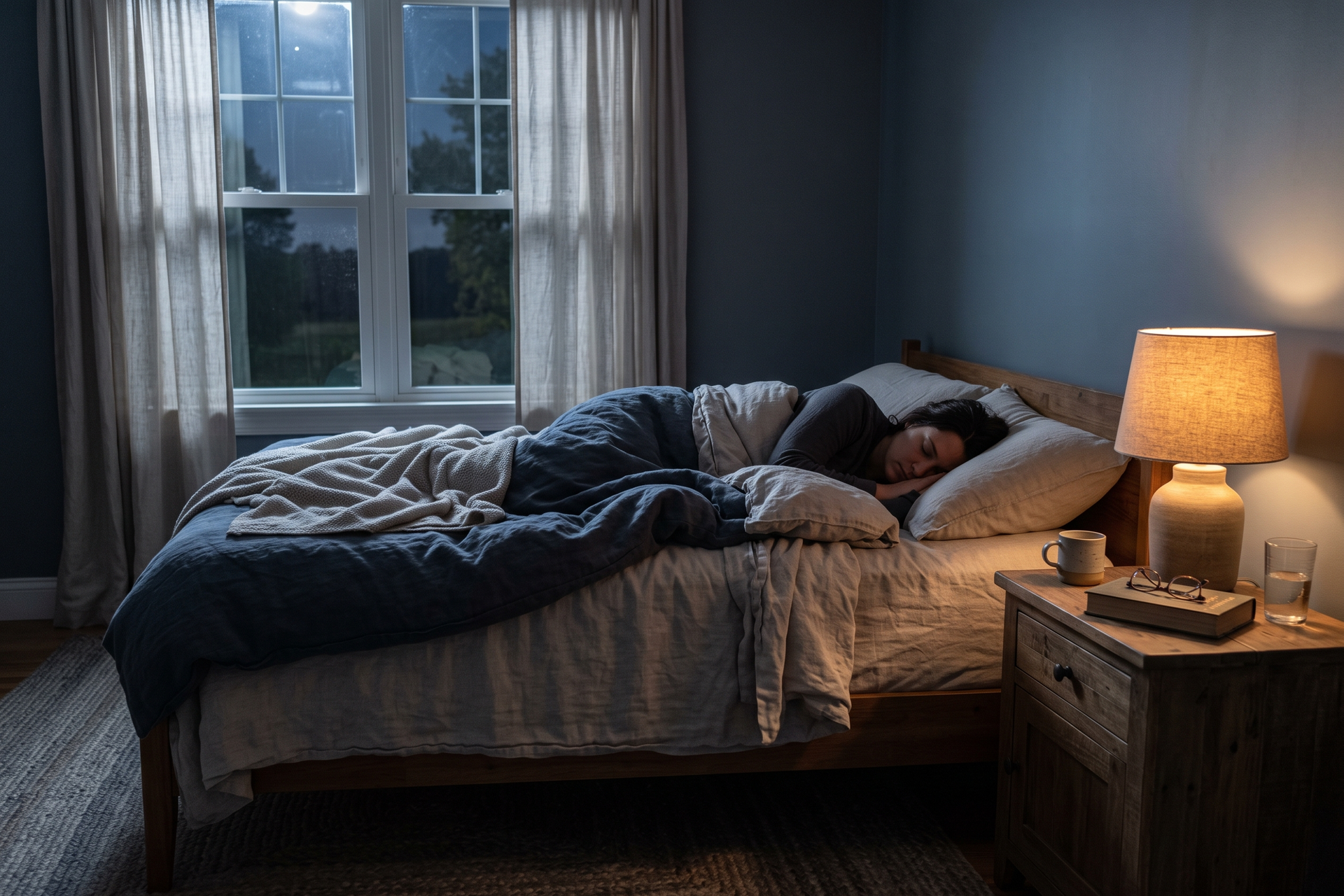
Everyone knows that getting a “good night’s sleep” matters. And although the stages of the sleep cycle may be difficult to name, the benefits of deep sleep are felt every morning.
The third stage of sleep, deep sleep, is associated with physical recovery, immune function, and memory consolidation. The desire to feel refreshed in the morning may have you asking how deep sleep is necessary, and how you can boost the time spent in this state. A person’s ideal amount of sleep depends on several factors, including age, gender, activity level, and health, says Michael Perlis, MD, professor and director of the Behavioral Sleep Medicine program at the University of Pennsylvania.
Here’s what to know.
How much deep sleep does a person need?
For a healthy adult aged 18 to 65, deep sleep accounts for about 15 to 23 percent of the night’s sleep — about an hour to 90 minutes of the full seven to nine hours of sleep, says Matthew Walker, a professor of neuroscience and biomedical engineering at the University of Texas at Dallas.
But experts agree that there is no one-size-fits-all number.
Still, it’s important to listen to your body. Feeling groggy during the day, experiencing blurred memory, and having difficulty concentrating may be signs that you are not getting enough deep sleep, although these are generally signs of insufficient sleep and it may be difficult to determine whether the cause is a lack of REM or deep sleep.
Walker says the real red flag is consistently waking up unrefreshed, even after spending a full night in bed. Getting enough sleep and preserving your schedule helps deep sleep do its job better, he adds.
How can you increase your hours of deep sleep?
There are some things you can do to increase the hours of deep sleep, including stopping destructive habits and creating a better environment.
This includes keeping a more regular schedule — deep sleep tends to occur during the earlier part of the night, Walker says, so “a consistent, early bedtime protects it” — as well as keeping the bedroom cool. Since the brain needs to drop its core temperature by about a degree to go into deep sleep, a bedroom temperature of about 65-67 degrees Fahrenheit will help.
Additionally, getting sunlight in the morning and moving around regularly during the day can also pave an easier path to deep sleep. What not to do right before sleeping? Working out, drinking alcohol, and consuming caffeine, says Walker.
Other factors that limit deep sleep include a person’s age (in the late 20s, deep sleep begins to decline) as well as chronic stress and sleep apnea, a very common but underdiagnosed condition that, according to Walker, “can shatter deep sleep hundreds of times a night without the sleeper ever realizing it”.