

The U.S. Department of Agriculture has announced sweeping changes to its SNAP program that will affect millions of people, including New York City.
Agency officials will now require more “real food” from their retailers, as the One Big Beautiful Bill Act enacted last year has begun to reshape how benefits are funded and who is eligible.
What changes are coming to the SNAP program?
This week, the agency announced that retailers must meet stricter requirements to continue accepting SNAP benefits.
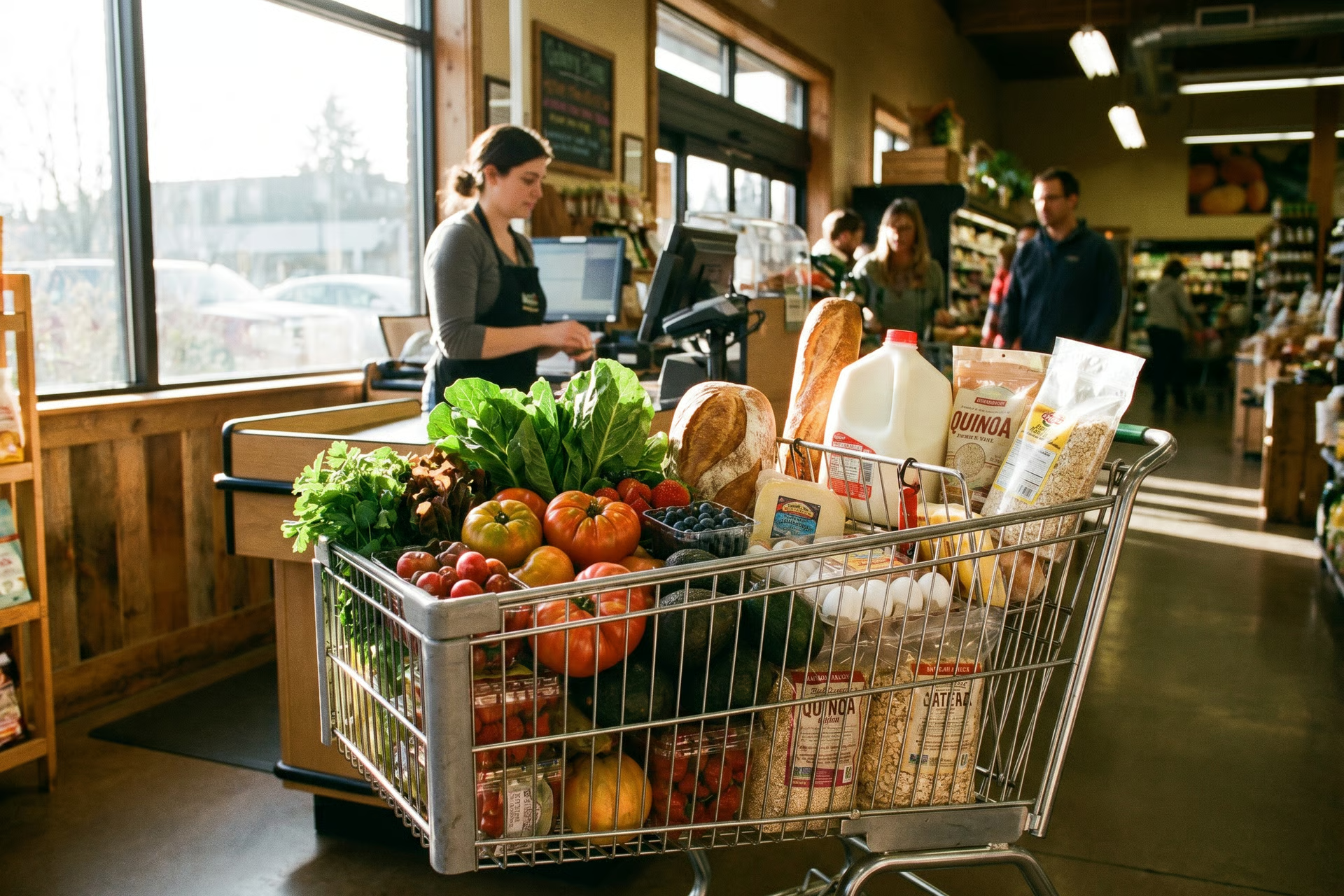
According to the USDA, stores must now carry seven types of items in four categories: proteins, grains, dairy, fruits and vegetables.
A May 7 release said of the change, “This change doubles the available foods requirement, emphasizes more whole foods, increases requirements for perishable foods, and closes loopholes that have long allowed retailers to count certain snack foods toward their core food requirements.”
“These changes will not only ensure that families in need have more nutritious options wherever they shop, but will also demand greater accountability from retailers who have not only stocked minimums, but have also seen the most program violations.”
How many Americans receive SNAP benefits?
As of March 2026, there were more than 1.7 million NYC residents on SNAP, according to city data.
Last year, the One Big Beautiful Bill Act was passed, which plans to cut SNAP funding by about $187 billion, or 20%, over the next 10 years, according to Harvard Kennedy School faculty research.
Under the Act, changes were made to work requirements, who is eligible and what food can be purchased through the program.
Nearly 3 million New Yorkers were in the SNAP program in the state in August 2025, according to a release from the governor’s office at the time.
In the release, it was estimated that more than 300,000 families in the state could lose some or all of their benefits amid the changes, particularly due to work requirements. About 41,000 noncitizens in New York state are also projected to lose their food benefits due to the new restrictions.
The governor’s office said last summer that the state was facing a loss of more than $900 million in SNAP benefits.
Reporting by Amethyst Martinez, USA TODAY Network/USA TODAY via Reuters Connect.