

©Stelantis
Commitment to our readers
The GOBankingRates editorial team is committed to providing you with unbiased reviews and information. We use data-driven methods to evaluate financial products and services – our reviews and ratings are not influenced by advertisers. You can read more about our editorial guidelines and our review methodology for products and services.

20 years
help you get rich


trusted by
millions of readers
Retirement should be a time of relaxation, not worrying about unexpected car repairs and reliability issues. Sports utility vehicles (SUVs) are a very popular type of car in America, with almost every car manufacturer having multiple versions with petrol, hybrid, and electric options.
In retirement, the last thing you want to worry about is unexpected repairs, reliability issues, oil consumption or even ease of getting in and out. That’s why we asked two seasoned car professionals for advice on which SUVs to avoid in retirement:
- Jimmy Taylor, mechanic for 26 years in Rockville, Maryland
- Ruth Calkins, General Manager and Auto Expert findbyplate
Here’s what they say about which SUVs to avoid in retirement.
1. Kia SUV (Specially Used Model)
Taylor is particularly cautious about Kia SUVs for retirees: “In particular, Kias are no good and are not sold without a warranty. That’s because they have a lot of issues, and you will need to use the warranty.”
Reliability concerns with Kia SUVs make them problematic for retirees who want a reliable car, not a source of stress and additional, unexpected costs.
Taylor stresses the importance of warranty coverage, saying, “I will only get a Kia if I buy new and with a warranty. Under no circumstances, buy a used Kia. It’s not worth the trouble, especially when you’re trying to enjoy your well-earned retirement without the stress of a car!”
For retirees on fixed incomes, the frequency of repair and maintenance issues can quickly deplete retirement funds, making used Kia SUVs, or cars with no warranty, a risky investment.
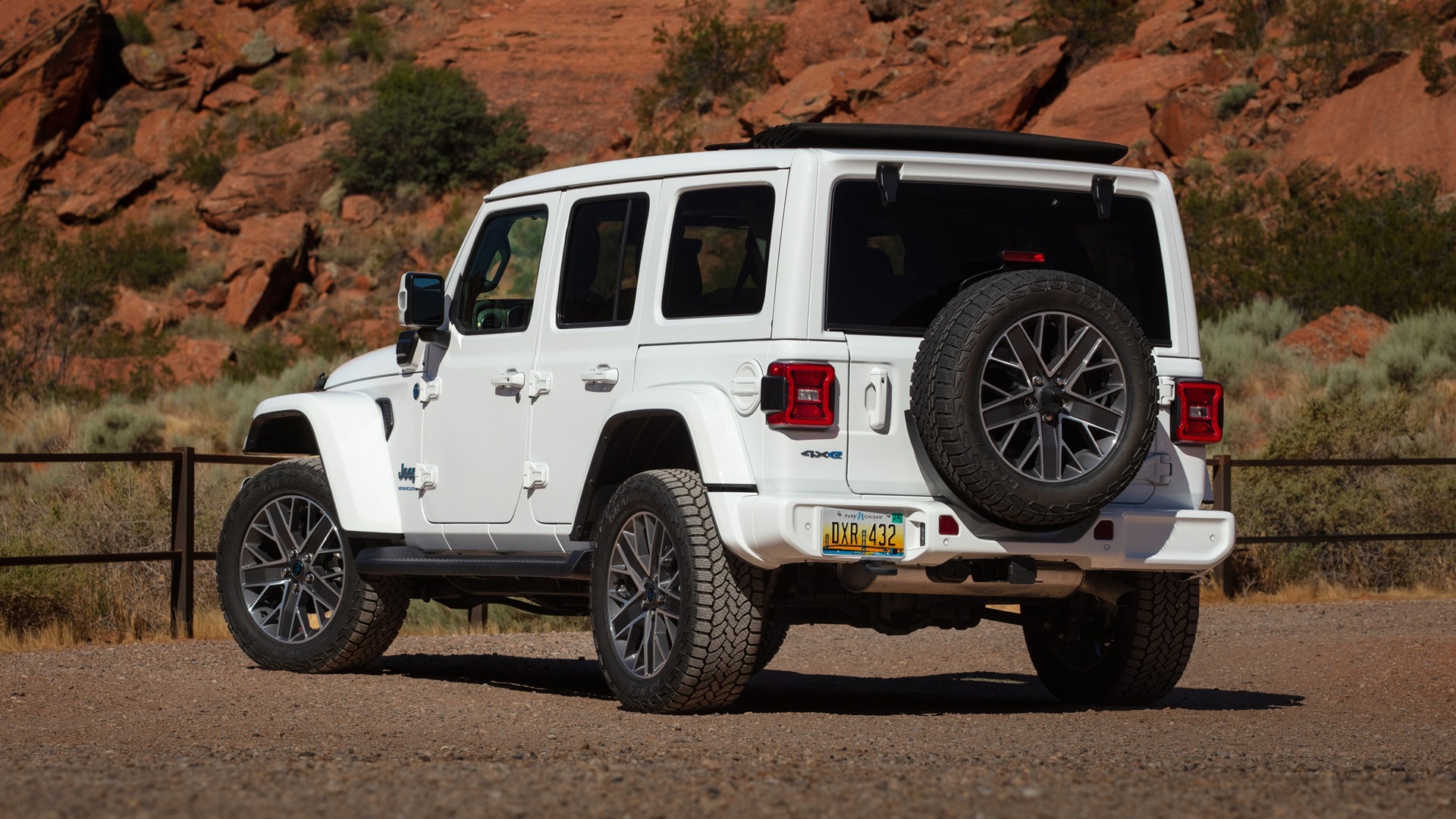
2. Jeep Wrangler
Calkins identified the Jeep Wrangler as something for retirees to stay away from: “I would say, avoid the Jeep Wrangler and the Ford Explorer. With these two popular SUVs, retirees will have to deal with endless reliability challenges.”
The Jeep Wrangler’s reputation for toughness comes with a price. Problems include transmission problems, faulty electronics and frequent maintenance issues like oil leaks. These reliability challenges create continued frustration and expense for retirees who simply want reliable transportation.
As Calkins said, “All of these headaches and frustrations are sure to have a negative impact on retirees’ mobility during their golden years. The truth is, owning a car will really suck and you’ll have to interrupt a ride from time to time because the car has some problem.”
3. Ford Explorer
The Ford Explorer joins the Jeep Wrangler on Calkins’ list of avoidable SUVs. Like the Wrangler, the Explorer suffers from persistent reliability issues that can plague retirees and leave them facing expensive repair bills.
“From maintenance issues such as transmission problems, faulty electronics and oil leaks to frequent repairs, this results in higher costs,” Calkins explained. “For retirees who rely on their vehicle for medical appointments, grocery shopping and social activities, the Explorer’s unreliability can have a significant impact on quality of life.”
The combination of frequent breakdowns and high repair costs makes the Ford Explorer particularly unsuitable for retirees who need a reliable, budget-friendly car.
4. Volkswagen Atlas
Calkins also highlighted that the Volkswagen Atlas is problematic for retirees, though for reasons other than reliability alone. “The major issue with this car for retirees is that it doesn’t quite fit into the compact-easy-to-handle SUV options that are best suited for retirees,” he explained.
The Atlas presents physical challenges for older drivers. “With the Volkswagen Atlas, one of the frequent challenges retirees face is maneuvering into tight spaces and parking,” Calkins continued. “All this generally takes away from the driving experience.”
Additionally, the size of the vehicle creates accessibility issues. “Given its large size, getting in and out of this car would be physically stressful for senior citizens, especially older seniors,” he said. These practical concerns make the Atlas unsuitable for retirees who may have mobility limitations or who prefer easier-to-handle vehicles.
5. All-wheel drive Suburban
Taylor specifically warned against all-wheel drive (AWD) Suburbans, citing several problematic factors: “AWD Suburbans are overpriced, have oil consumption problems and are difficult and expensive to repair.”
Oil consumption problems alone can create ongoing maintenance headaches and unexpected expenses. With the complexity and cost of repairs, these large SUVs become a financial burden rather than cars that senior citizens can rely on to take them near or far.
The issue of over-pricing means retirees have to pay premium prices upfront, which then leaves them facing expensive maintenance and repair costs throughout their ownership. This creates a double financial blow that can put a strain on retirement budgets.
6. Small SUV (General Category)
Perhaps most surprising is that, despite their obvious suitability for retirees, Taylor recommends avoiding most small SUVs altogether. His reasoning was clear: “Small SUVs are basically considered ‘throwaway cars’ because things will go wrong so quickly that at some point, the car will become expensive to maintain and repair, so you’ll just have to get rid of it.”
This “throwaway car” designation means that although small SUVs may initially seem budget-friendly, they often require frequent repairs that exceed the car’s actual price.
For retirees who want a car they can rely on for a long time, this leads to a frustrating cycle of constant maintenance expenses followed by the need to purchase another vehicle.
What experts recommend instead
This isn’t bad news for those who still want an SUV. The good news is that there are SUVs worth buying in retirement.
Both experts consistently recommend Toyota and Honda SUVs for retirees. “Toyota and Honda have lower maintenance costs,” Taylor said. “(They) are more expensive to buy, but cost less in the end, will last the longest and are the cheapest to maintain.”
Calkins emphasized the broader financial impact: “Retirement comes with a lot of burdens, especially in the form of unexpected expenses, so the truth is that one of the things you need to be extra careful about in your retirement is owning a car that puts more of a hole in your retirement fund/income.”
The Honda CR-V and Toyota RAV4 stand out as experts’ top recommendations, offering the reliability and manageable maintenance costs that retirees need for worry-free transportation during their golden years.