

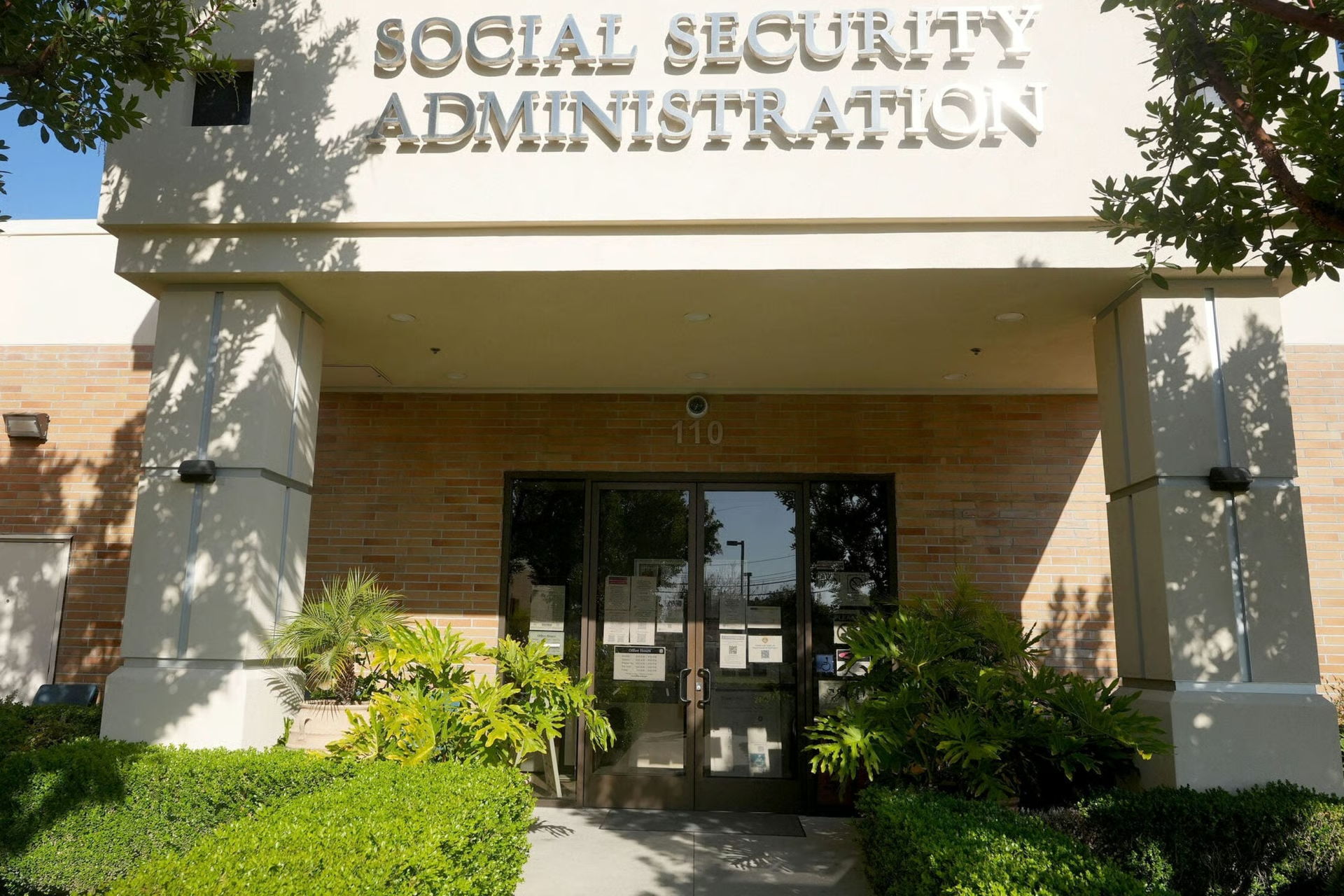
The Trump administration is considering a rule that, if approved, would cut monthly federal benefits to assist disabled adults and poor older people living with family members.
ProPublica first reported the proposed change on April 28, based on information from four federal officials, internal emails and a federal regulatory list. The organization analyzed actuarial data from the Social Security Administration and found that at least 400,000 poor and disabled people and indigent older people could have their support cut or eliminated.
The Supplemental Security Income program, run by the Social Security Administration, provides an average monthly payment of $737 to about 7.4 million people with severe disabilities and poor seniors by early 2026, according to the Congressional Research Service.
How has SSI eligibility changed
One factor Social Security considers when determining SSI eligibility is whether an individual lives in a “public assistance home.” For decades, Social Security has narrowly defined a public assistance household, where everyone in the household must receive some form of public assistance.
If even one person in the household does not receive such benefits, it will hurt the disabled person’s chances of qualifying for SSI. The Supplemental Nutrition Assistance Program, or SNAP, was not among the qualifying programs.
In 2024, President Joe Biden’s administration added SNAP to the list of eligibility programs. It also lowered the bar so that if one other member of the household also received qualifying benefits, that household could qualify as a public assistance household.
The proposed rule change would remove SNAP from the list and again require all household members to receive public assistance.
Anyone over the age of 18 living in a home without paying full rent, such as a disabled person or poor older person, will be treated as if they are getting free benefits. The value of their bedrooms and family income and property will be deducted from their benefits.
what happens next
The proposed change is in the early stages of review. First, the White House Office of Management and Budget reviews the proposal, makes amendments, and determines where it ranks among the President’s priorities. The Social Security Administration then publicizes it and accepts public comments.
Depending on the volume of opposition, this process may take a year or more.
The Office of Management and Budget and the Social Security Administration did not respond to USA TODAY requests for comment.
Reporting by Sarah D. Wyer, USA TODAY/USA TODAY Network via Reuters Connect
