

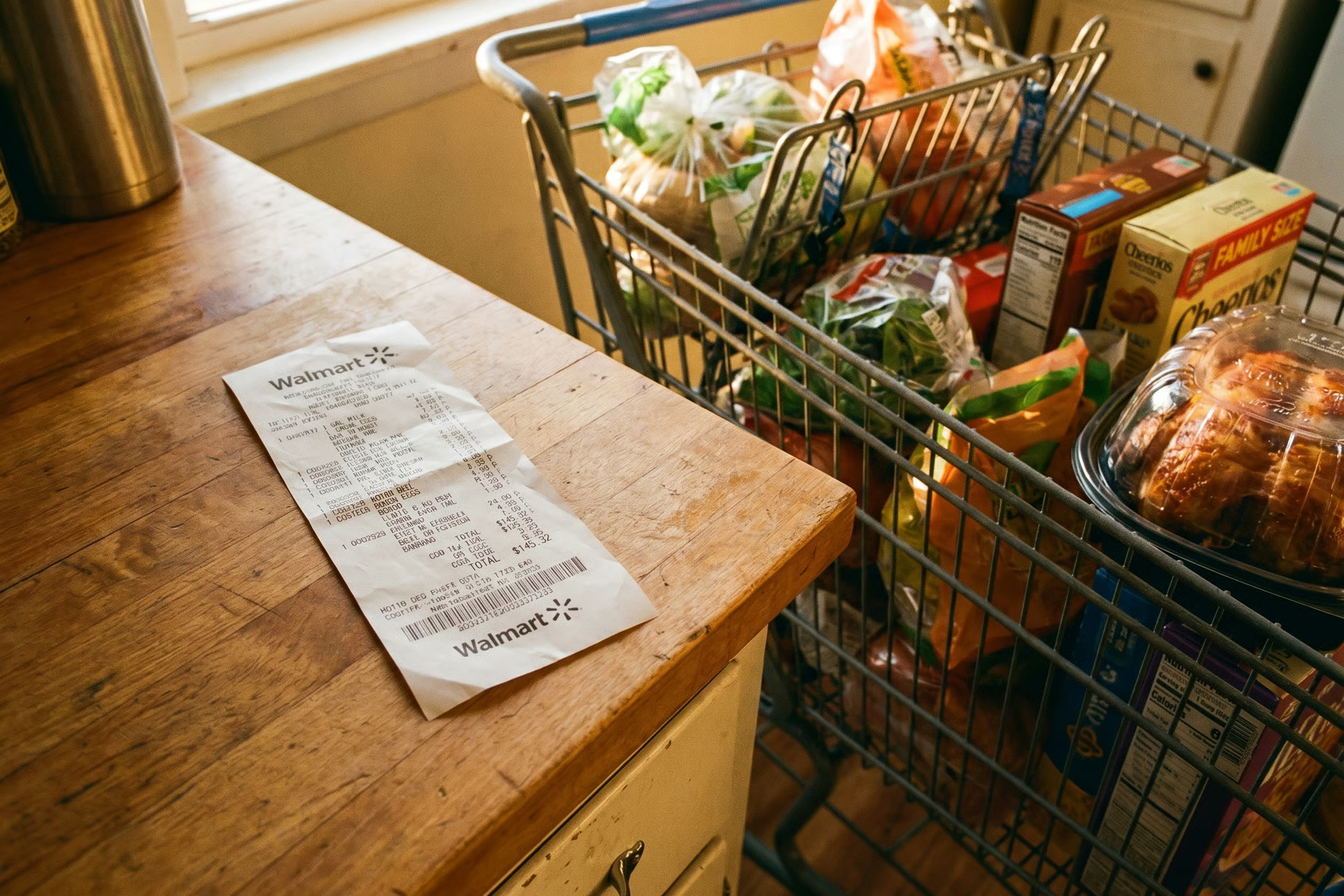
A Walmart grocery receipt from 2006 is going viral and providing a fresh take on today’s food prices.
A recent receipt shared by user “Kylie” shows 79 items totaling $161.87, including staples like eggs for $1.28 and tomatoes for $1.24 per pound. The post has been viewed more than 12 million times, with users wondering how much grocery prices have risen in nearly two decades.
Kylie said she “fell to my knees” after finding her mother’s old receipt. The Walmart location is not visible, but the item list — which includes seafood, meat, snacks and produce — has caused panic online.
“$161 for 79 items and there’s salmon, shrimp, wings, cereal, soda, produce, snacks and meat,” one user wrote. “This receipt looks like evidence of a lost civilization.”
Another said: “Under $2 for cereal and chips. We used to be a fair country!”
How much have grocery prices really increased?
The latest data from the Labor Department shows the cost of food at home increased 0.7% in April, the largest monthly increase since 2022. Prices of specific goods have increased rapidly:
- Non-alcohol beverages increased by 5.1% compared to last year
- The average price of ground beef is about $6.90 per pound, up about 15% year over year
- Tomato prices rose 15.1% in April and are up nearly 40% year-on-year
Higher transportation costs, weather-related disruptions and global conflict have contributed to rising prices, causing disappointment among buyers when comparing today’s receipts to previous years.
How to Save on Your Grocery Bill
Food economist and Michigan State University professor David Ortega offers these suggestions for cutting costs:
- shop around. Grocery stores are competing for your business and running promotions on specific items. Comparing weekly ads and taking advantage of promotions can result in meaningful savings over the course of a month.
- Shift protein sources where you can. Beef prices have risen sharply in the past year, while chicken and pork remain at a more affordable price point. Eggs are also significantly cheaper than a year ago as flocks have rebuilt. Eating out once or twice a week instead can significantly reduce grocery bills.
- Buy produce in season and locally when possible. Seasonal and local produce has lower long-distance transportation costs, making it a good way to save on goods hit by high diesel prices.
- Consider store brands and private labels. These products generally sell at very affordable prices, and the quality of most staples is on par with national brands.
Contributing: Betty Lynn-Fisher and Rachel Barber, USA TODAY