

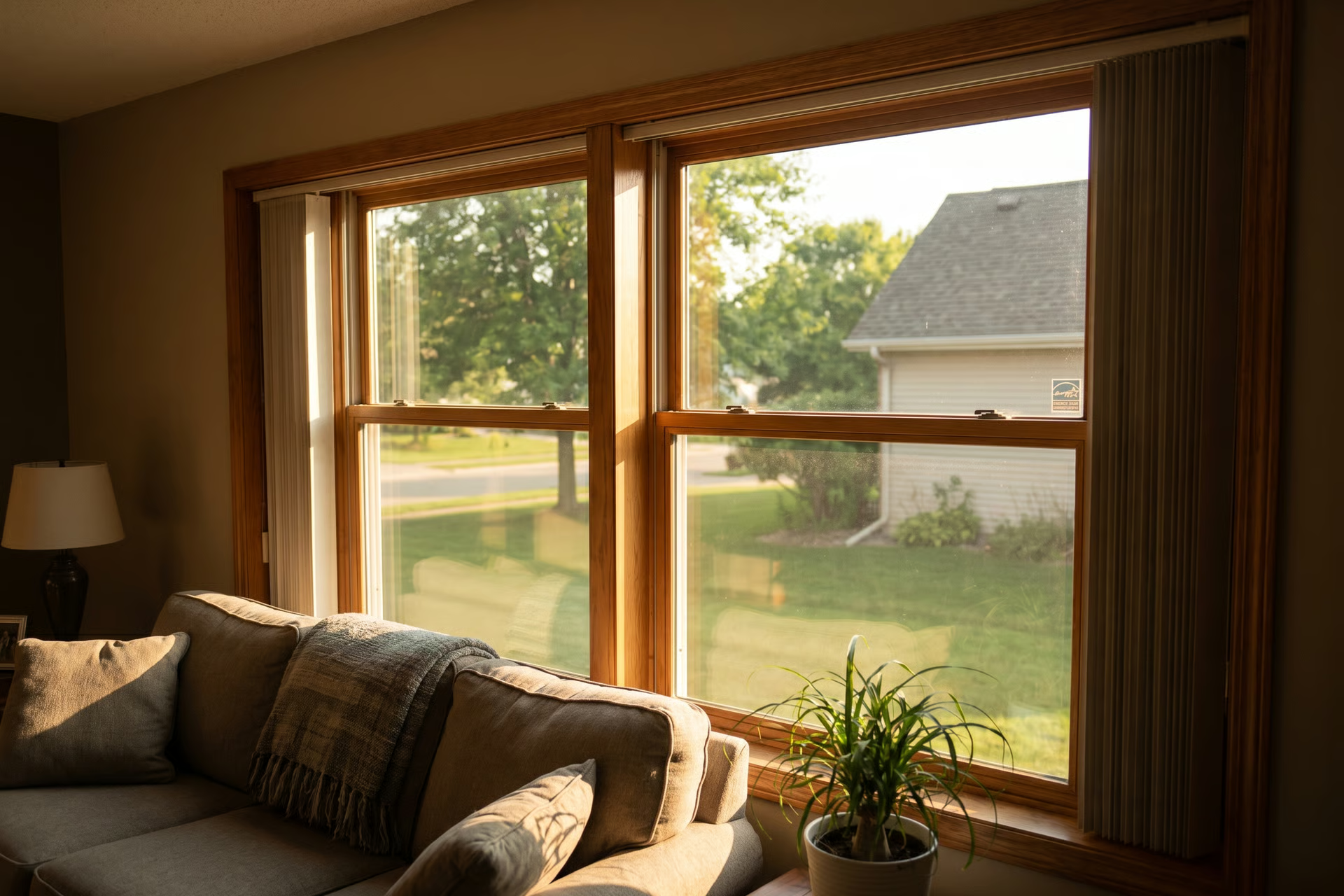
Heat gain or loss through windows accounts for 25% to 30% of our home heating and cooling energy use. Cracked windows in your home are another common problem that causes high utility bills and inconsistent indoor temperatures. Both factors force your home’s HVAC system to work overtime to maintain comfortable temperatures, increasing energy costs.
If done correctly, switching to energy-efficient windows can solve these costly problems.
The USA TODAY team created this guide to explain what makes a window energy-efficient and what to look for when making a purchase that fits your home, climate and budget.
What makes a window energy-efficient?
Many factors make a window energy-efficient, but the type of glass, coating, gas filler and frame material should be prioritized when shopping for new windows. You’ll also want to consider where you live and the direction your home faces, as certain features benefit from different climates and sun exposure.
The best energy-efficient windows have multiple panes of glass filled with an inert gas, usually argon or krypton, which provides further insulation to the window. Wood, fiberglass and composite frame materials are generally the most energy-efficient, depending on your climate and your desire to maintain them.
Next, consider the coating. Windows with Low-E coatings or films cost more, but can reduce energy losses by 30% to 50%. Different Low-E coatings are designed for hot or cold climates and can also control the amount of visible daylight coming through your windows.
An often overlooked aspect of energy efficiency is installation.
“You can purchase the highest quality windows on the market, but a poorly executed installation can undermine the energy efficiency benefits,” says Kirill Ratia, founder of Ratia Construction.
Ratia says that if a window installer or carpenter uses the wrong size nails, they can puncture the window’s sealing mechanism. A good installer should also install insulation around the window, install flashing tape, add weather stripping around the sash and finish the seal with caulk. Anything that compromises the seal of the window and the opening it fills will cause drafts.
Understanding Energy Ratings and Labels
Window energy ratings and labels guide buyers in choosing the best option, but they can feel overwhelming at first. Here’s a quick overview of common energy ratings and labels – and what to look for.
Window U-factor ratings provide insight into the energy efficiency of a window or door by measuring its heat transfer through the glass and glazing. The lower the number, the better, as it indicates a more energy-efficient product.
The solar heat gain coefficient (SHGC) is the amount of solar radiation transmitted or absorbed through a window, glass door or skylight. The lower the SHGC rating, the better the product at shading and the less solar heat it will transmit. A window with a high SHGC rating retains heat in the home during winter. Choose windows with SHGC rating that best suits the climate and direction of your home.
Visible transmittance (VT) is a performance rating that measures the fraction of visible sunlight entering your home through the window. This rating ranges from 0 to 1, with 0 indicating that no visible light enters the home. Generally, higher VT ratings are ideal because they reduce the amount of electric lighting needed in your home during the day.
Air leakage ratings measure how much air leaks into your home through a closed window. Look for windows with a low air leakage rating, as this indicates greater energy efficiency.
Finally, look for windows with Energy Star certification. The US Environmental Protection Agency administers this rating, and it indicates how energy-efficient a product is. For best results, use the Energy Star Climate Zone Finder to match the window type with your home’s climate zone.
How energy-efficient windows can reduce energy costs
Energy-efficient replacement windows reduce the amount of heat lost in your home in the winter and help keep it cooler in the summer. If you live in a cold climate, a gas-filled, low-E window helps reduce heat loss. Conversely, homeowners in hot climates should prefer windows with solar-control films or coatings to keep their homes cool.
Energy Star-certified windows can save homeowners up to 13% on energy bills when replacing single-pane windows. If your electric bill is about $150 per month, that’s a savings of about $234 per year. If your home has inefficient or outdated double-pane windows, you will benefit from replacing them with more energy-efficient windows, reducing energy costs and improving curb appeal and resale value. However, these benefits are often the result of long-term rather than immediate savings.
When energy-efficient window replacement makes sense
Old or damp windows account for 25% to 30% of our home’s heat gain and loss, which dramatically impacts monthly energy bills. If you notice increasing energy costs, drafts, or condensation between window panes, consider caulk or weatherstripping to update the existing windows, or replace them entirely for best results.
Ideally, replace all of your windows at once (especially if they’re the same age), or work room by room to target the worst offenders.
Cost and Considerations
Window costs vary greatly depending on window material, installation team, and energy-efficiency features. Most homeowners can expect to pay between $400 and $1,500 per window (the higher end of the range reflects premium wood, fiberglass, or composite windows).
When shopping for windows, consider your local climate and what features are best suited to maintain comfortable temperatures year-round, as this will keep your energy costs down.
In terms of returns on investment, homeowners can expect long-term results in several ways.
“Homeowners can typically expect to get 60% to 70% of their window investment back upon resale, but the real payoff starts immediately through lower energy bills,” says Phil Adkins, president of Adkins & Sons, a home improvement contractor. “In my experience, most families see a meaningful reduction in their utility expenses within the first year, especially in areas with harsh winters or hot summers where HVAC systems work overtime.”
ground level
Choosing energy-efficient windows is a worthwhile investment depending on where you live, the direction of your home, and what your budget is.
Prioritize energy-efficient features suited to your climate, and choose products certified by reputable programs like Energy Star to get the biggest benefits. Before replacement, assess vulnerable features in your home’s windows, such as drafts and single-pane glass, to determine your needs. Then work with multiple installers and collect multiple quotes to compare pricing, warranty coverage and personalized recommendations.
questions to ask
What is a good U-factor for windows?
A good U-factor for windows is as low as you can afford, the lowest value is usually around 0.20. Low U-factors indicate that the window is well insulated, helping to cut energy costs and keep your home more comfortable.
Are Energy Star Windows worth the cost?
Yes, Energy Star windows can reduce your home’s energy bills by an average of 13% when you replace single-pane windows. If you’re upgrading from single-pane windows, it could save you several hundred dollars per year on your energy bills, making it worthwhile for many homeowners.
Is it better to replace all windows at once or one room at a time?
It’s usually better to replace all the windows at once if your budget allows, as contractors often offer lower installation prices, saving you money on labor. Additionally, replacing all the windows in your home improves your home’s energy efficiency, helping you save on utility bills.
Reporting by Amy DeYoung, Special to USA TODAY/USA TODAY
USA TODAY Network via Reuters Connect